
Understanding SFRP2 (Secreted Frizzled-Related Protein 2): Functions and Implications in Health and Disease
What is SFRP2?
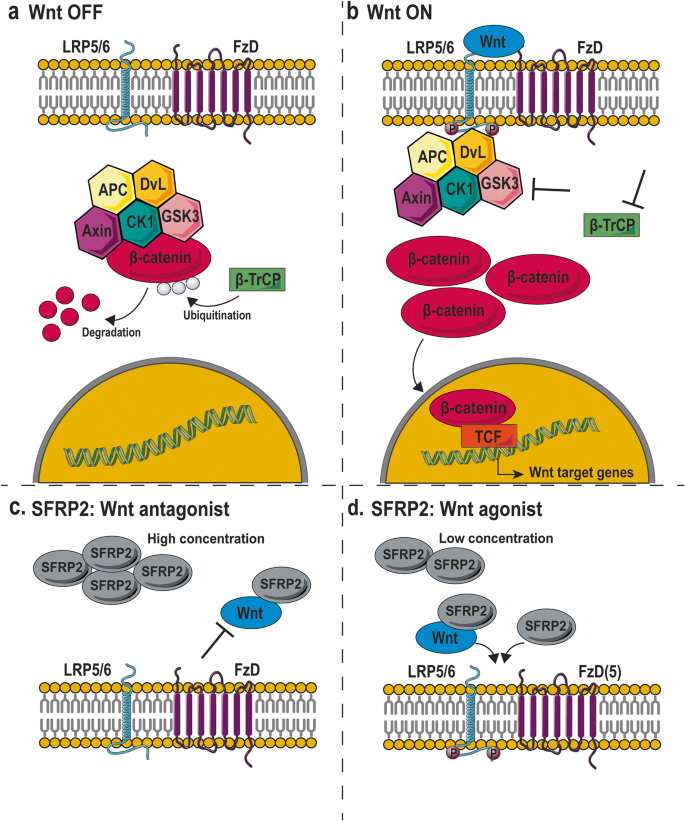
SFRP2, or Secreted Frizzled-Related Protein 2, is a member of the SFRP family, which acts as a modulator of the Wnt signaling pathway. The Wnt pathway is critical for cell proliferation, differentiation, and tissue homeostasis. By binding to Wnt ligands, SFRP2 can inhibit or modulate Wnt signaling, thereby influencing multiple biological processes.
Biological Functions of SFRP2
-
Regulation of Wnt Signaling
SFRP2 acts as a decoy receptor for Wnt proteins, preventing them from binding to Frizzled receptors. This modulation is crucial in maintaining balanced cellular signaling, which is necessary for normal development and tissue repair. -
Role in Angiogenesis
Studies have shown that SFRP2 promotes angiogenesis, the formation of new blood vessels, particularly in the context of tissue repair and tumor growth. Its ability to interact with endothelial cells makes it a potential target in cancer therapy. -
Influence on Cell Differentiation and Apoptosis
By regulating Wnt signaling, SFRP2 affects stem cell differentiation and programmed cell death. Dysregulation of SFRP2 may lead to abnormal tissue development or contribute to disease progression.
SFRP2 in Cancer
SFRP2 expression is often altered in cancer. Research indicates:
-
Tumor Suppressor Role: In some cancers, SFRP2 is silenced due to promoter hypermethylation, reducing its inhibitory effect on Wnt signaling and promoting uncontrolled proliferation.
-
Tumor Promoter Role: Conversely, in other contexts, SFRP2 may facilitate angiogenesis and support tumor growth.
This dual role makes SFRP2 a complex but promising biomarker for cancer diagnosis, prognosis, and therapy.
SFRP2 in Tissue Regeneration and Fibrosis
Beyond cancer, SFRP2 has been studied for its involvement in tissue repair and fibrosis:
-
Enhances cardiac tissue regeneration post-myocardial infarction.
-
Modulates fibrotic responses in organs such as the liver and lungs.
-
Potential therapeutic target for regenerative medicine.
Potential Clinical Applications
-
Cancer Therapeutics: Modulating SFRP2 activity could suppress tumor angiogenesis or restore its tumor suppressor function.
-
Regenerative Medicine: Leveraging SFRP2 could improve wound healing and tissue repair.
-
Biomarker Development: Altered SFRP2 expression can serve as a diagnostic or prognostic biomarker in several cancers and fibrotic diseases.
Conclusion
SFRP2 (Secreted Frizzled-Related Protein 2) plays a multifaceted role in cellular signaling, tissue regeneration, and disease. Its ability to modulate the Wnt pathway makes it an attractive focus for research in cancer therapy and regenerative medicine. As our understanding deepens, SFRP2 may become a key biomarker and therapeutic target in multiple clinical settings.
Recent Posts
-
CUT&Tag vs CUT&RUN Which Epigenomics Method Should You Choose?
CUT&Tag vs CUT&RUN: Which Epigenomics Method Should You Choose? The field of epigenetics has undergo …17th Mar 2026 -
CUT&Tag A Next-Generation Method for High-Resolution Epigenomic Profiling
CUT&Tag A Next-Generation Method for High-Resolution Epigenomic Profiling The rapid evolution of epi …17th Mar 2026 -
ChIP-seq vs CUT&RUN vs CUT&Tag
ChIP-seq vs CUT&RUN vs CUT&Tag: Advanced Methods to Study Epigenetics Epigenetics research has rapid …17th Mar 2026